
Glass fibre wallpaper: everything you need to know
Glass fibre wallpaper or Renovlies, both smooth, both paintable, but completely different materials. A professional comparison for new builds and renovations.
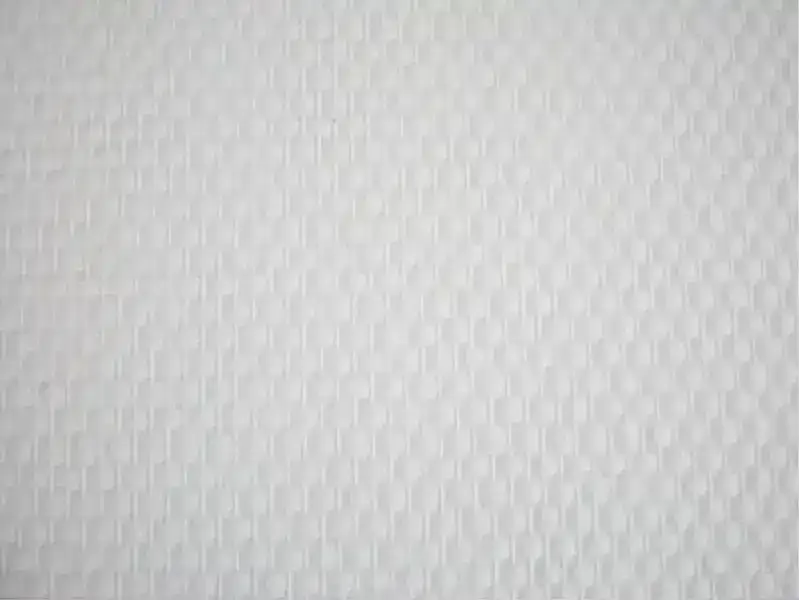
Two types of wallpaper that look alike. And yet they're not
You've heard it mentioned somewhere: glass fibre wallpaper. Or Renovlies. Or both. Online, the two get mixed up constantly: both give you a smooth wall, both are paintable, both work in new builds and renovations. But under the hood they're completely different. Those differences determine whether your walls still look sharp in five years or not.
We apply both products every day and see in practice when each one works. Below is the honest explanation, no marketing fluff.
What exactly is glass fibre wallpaper?
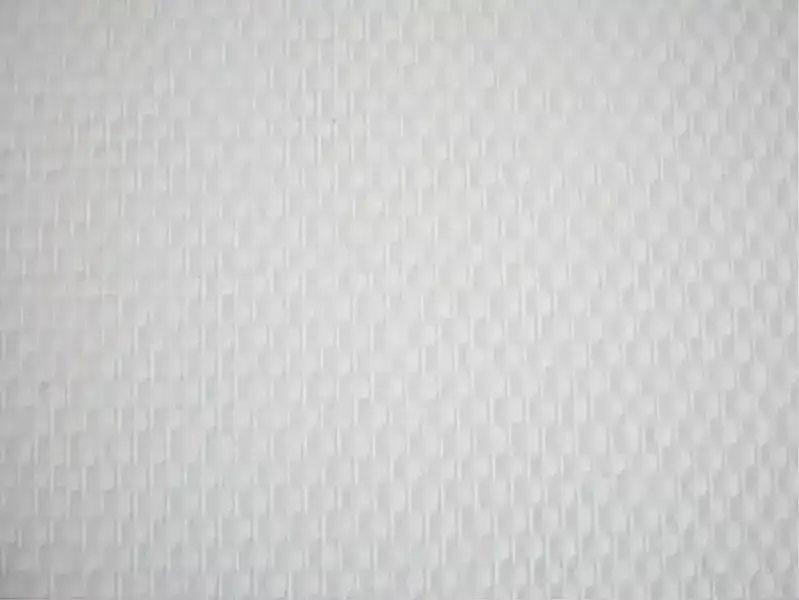
Glass fibre wallpaper is a wall covering based on glass fibre. It's made by converting molten sand into hair-thin glass threads, which are then pressed into a flat, even sheet. The result is a light, thin wallpaper that:
- Bridges small cracks and fissures in the surface
- Provides a smooth, even base for latex paint
- Can be painted over in virtually any colour you want
- Is widely available in various weights and with or without a pattern
Glass fibre wallpaper is often confused with glass weave wallpaper. The latter is woven (not pressed), thicker and sturdier, and more commonly used in commercial spaces. Read our page different types of wallpaper for an overview of all options.
The difference between glass fibre, glass weave and Renovlies
For most homeowners, the choice comes down to three options. Here is the professional comparison:
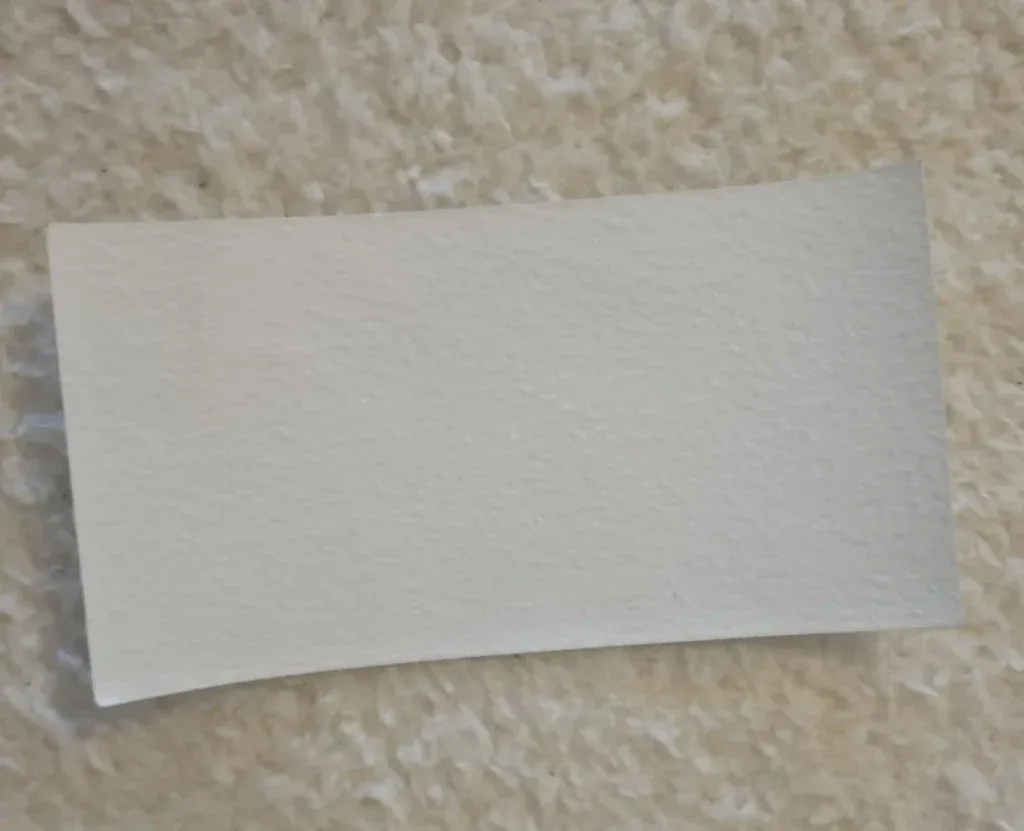
Renovlies is made from cellulose and textile fibres. No glass. It's stronger and more impact-resistant than glass fibre wallpaper, bridges larger cracks and gives the most plaster-like finish. No prickly particles during application, so no itching for installers or residents.
Glass fibre wallpaper is thinner and a bit cheaper. It evens out surfaces, bridges small cracks and is a great choice when your budget is tight. For larger imperfections it's less suitable.
Glass weave wallpaper is thicker and sturdier than glass fibre, woven, and very popular in offices, schools and hospitality venues because of its impact resistance and fire-retardant properties. The downside: in residential homes, loose glass fibres can cause itching for the installer and residents.
Read our in-depth comparison Renovlies wallpaper versus glass fibre for the full details.
Request a free, no-obligation quote
When should you choose glass fibre wallpaper?
From practical experience: glass fibre wallpaper is a good option when:
- Your walls are already reasonably flat (minor maintenance or a new build with good preparation)
- You mainly want impact resistance without the wall being heavily loaded
- Budget matters and you don't expect shrinkage cracks
- You want a pattern: glass fibre is available in designs such as diamond, stripe and herringbone
When should you choose Renovlies?
Renovlies is the better choice when:
- You're in a new-build home where shrinkage cracks are still forming
- Your walls have larger imperfections that need to be bridged
- You want the end result to truly look like plastered work
- You don't want the risk of itch-causing glass particles
- You have a family with children or pets. Impact resistance counts for more
Still unsure about the right thickness? Read our guide Renovlies thicknesses: 120, 150, 180 or 200 grams?.
Glass fibre wallpaper in new builds. A note of caution
Many people read that glass fibre wallpaper is "suitable for new builds." That's partly true: it's paintable, adheres well and gives a neat finish. But with larger shrinkage cracks (and in new builds you often see those after 1 to 2 years) glass fibre is often too thin to hide them permanently. Renovlies (from 150 grams) is more durable in that situation.
If price is truly the deciding factor, glass fibre can be a perfectly good compromise. But bear in mind that the difference in material cost per m² rarely offsets what you'll spend on repairs later if cracks show through.
Our approach: one team for the whole job
Whether it's glass fibre or Renovlies: at Renovlies.net one team does all the work. That means surface preparation (sanding, filling, removing concrete blemishes), applying the wallpaper and painting it in your chosen colour. All by the same people. No handovers, no "well, the plasterer should have levelled it better first", no blame games.
With our 100% coverage guarantee you know that shrinkage cracks in the wall won't show through to your finished surface. A wall that looks perfect at handover will still look perfect five years later.
Ready for smooth walls?
Still not sure which product suits your situation? We'll come by free of charge, assess your walls with raking light and give you honest advice. Even if that means recommending glass fibre instead of the slightly more expensive Renovlies.
Request a free, no-obligation quote and let us show you what a professional team can do for your home.