Wallpaper-ready or not? The truth about your Renovlies starting point
If you have bought a new-build home and are planning to have your walls wallpapered, there is a good chance you have come across the term wallpaper-ready. But what does wallpaper-ready actually mean? And how do you make sure your walls are truly suitable for a smooth finish with Renov
If you have bought a new-build home and are planning to have your walls wallpapered, there is a good chance you have come across the term wallpaper-ready. But what does wallpaper-ready actually mean? And how do you make sure your walls are truly suitable for a smooth finish with Renovlies or fibreglass wallpaper? In this blog we take a deeper look at the concept of wallpaper-ready.
What does wallpaper-ready mean?
Wallpaper-ready means, in theory, that the walls are ready for wallpaper to be applied. This means the surface must be completely smooth, even and free of imperfections. In practice, however, things are often different. In new-build homes, "wallpaper-ready" is sometimes interpreted loosely. Small dents, ridges, seams or even concrete blemishes may still be present. These imperfections only become truly visible once you apply wallpaper.
Tip: check the condition of your walls by shining a work light or torch at a low angle along the walls. This so-called raking light reveals imperfections and uneven blocks.
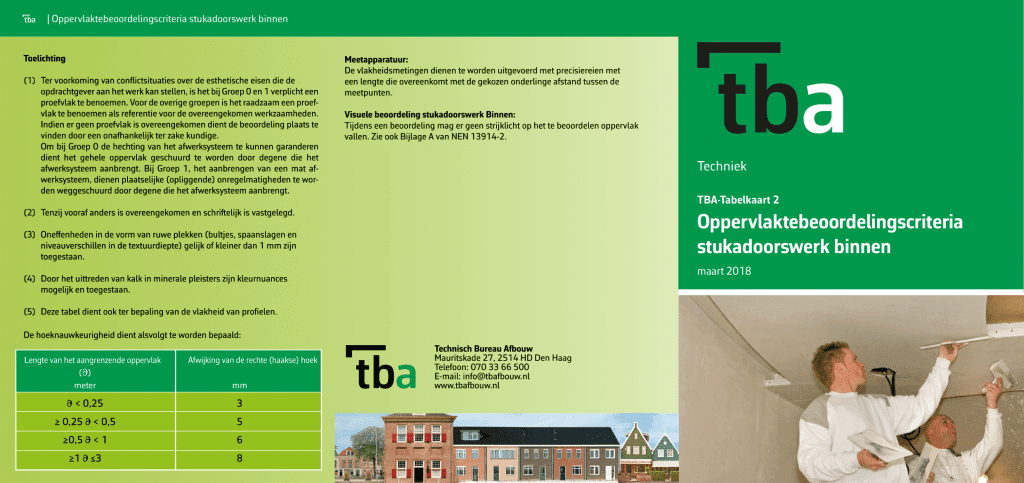
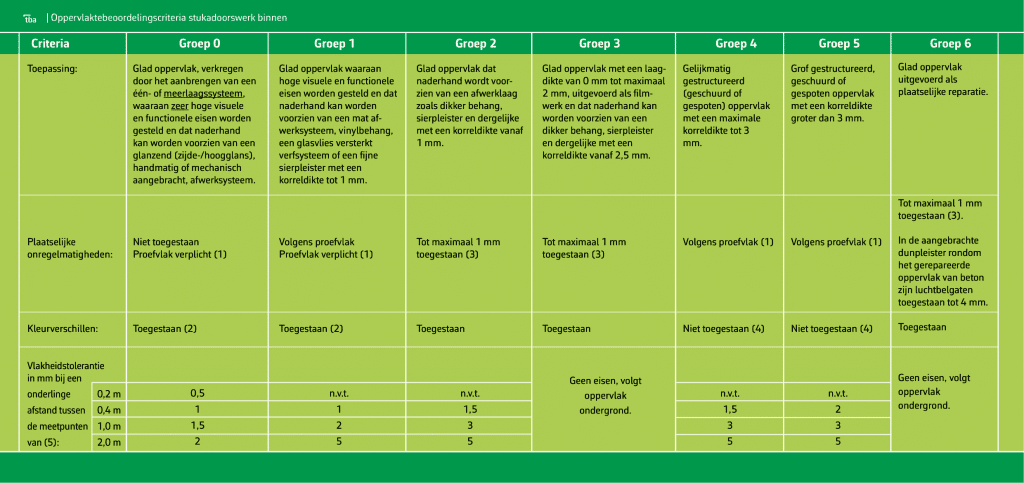
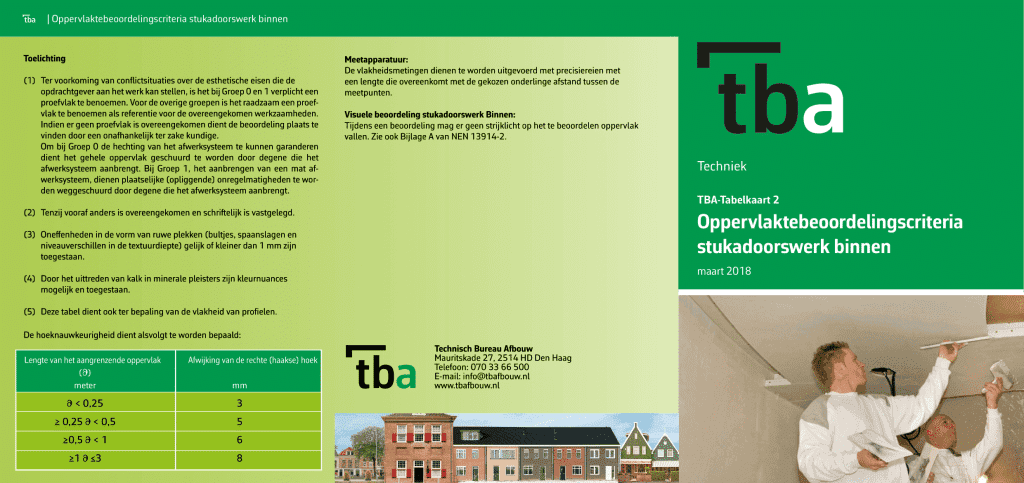
Click here for the wallpaper-ready flyer.
Is your new-build home really wallpaper-ready?
At the handover of a new-build home, the walls often look smooth, but looks can be deceiving. Getting walls truly wallpaper-ready is a process that often requires extra attention. Here are some common situations in new-build homes:
-
Gypsum blocks or Ytong blocks: These walls can show uneven seams or may not have been placed perfectly straight against each other.
-
Small pits and specks: Even if these seem superficial, they are visible under wallpaper such as Renovlies.
-
Concrete blemishes or ridges: These require plastering.
Renovlies and fibreglass wallpaper
To achieve a smooth and professional end result, Renovlies or fibreglass wallpaper is often the go-to choice. Both materials provide a perfect base for wallpaper or paintwork. But before you apply these materials, good preparation is important.
Steps to wallpaper-ready walls
-
Ask about the fine print: Ask the builder exactly what they mean by wallpaper-ready.
-
Inspect the walls: During the pre-delivery inspection, check whether the contractor has truly delivered the walls in a wallpaper-ready condition.
-
Sanding and filling: Small holes and imperfections can be filled and machine-sanded.
-
Applying a plaster coat: For serious damage or visible seams, a plaster coat is needed to create a flat surface. At Renovlies.net our teams are able to plaster. That is why our slogan is one team for everything. Other Renovlies companies sometimes have to hire a plasterer, which adds extra costs and causes major delays to the schedule.
-
Primer: For optimal adhesion of Renovlies or fibreglass wallpaper, a primer/impregnation coat is applied at various stages.
Why surface preparation matters
Even the best wallpaper cannot hide imperfections. Small pits, cracks or waves remain visible under Renovlies and fibreglass wallpaper, no matter how thick the material is. That is why we always advise having the walls carefully prepared. This prevents disappointment and ensures a great result.
Tip: during the pre-delivery inspection, ask the contractor: "Would you hang wallpaper at home on a wall that is not smooth?
Please note: Renovlies and fibreglass wallpaper do not make walls smooth. Your wallpaper hanger takes care of smooth, flat walls, and Renovlies goes on top of that.
Save time and costs with a professional approach
At Renovlies.net we make sure your walls are truly wallpaper-ready. From the moment of key handover, we measure the exact square metres and assess the condition of the walls. That way you know exactly where you stand and avoid unexpected costs.
Finally, here is some more information about what wallpaper-ready means and what the guidelines are. Created by tbafbouw.nl under the heading: "Surface assessment criteria for interior plastering work"